Dados necessários para melhorar nosso serviço e personalizar a sua experiência.
Oil Industry debates special tax regime and new charges under analysis in the Senate
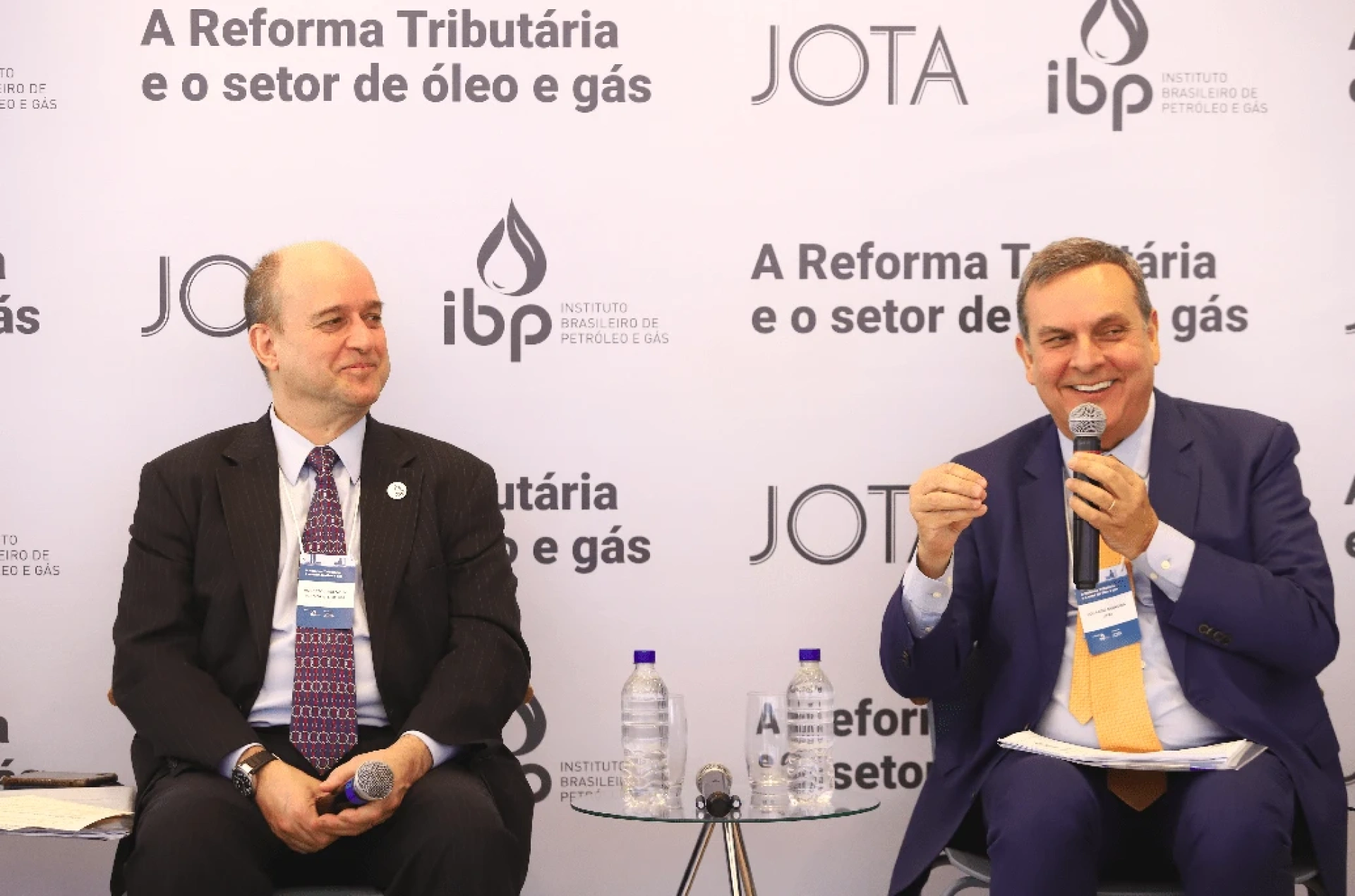
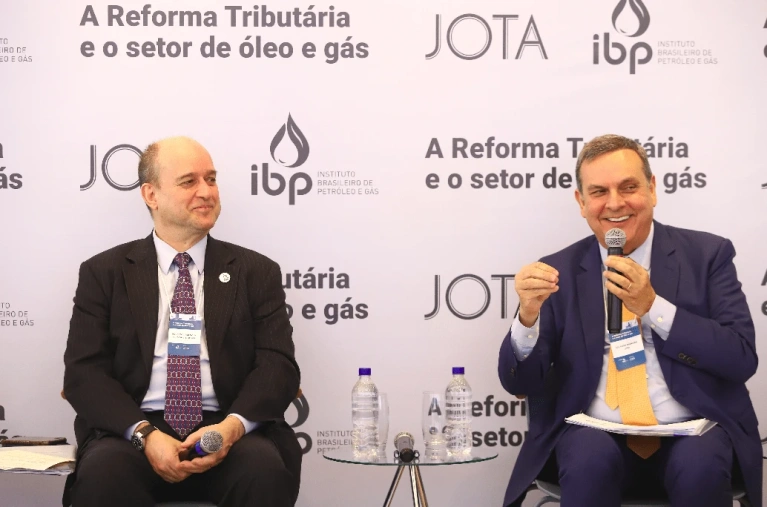
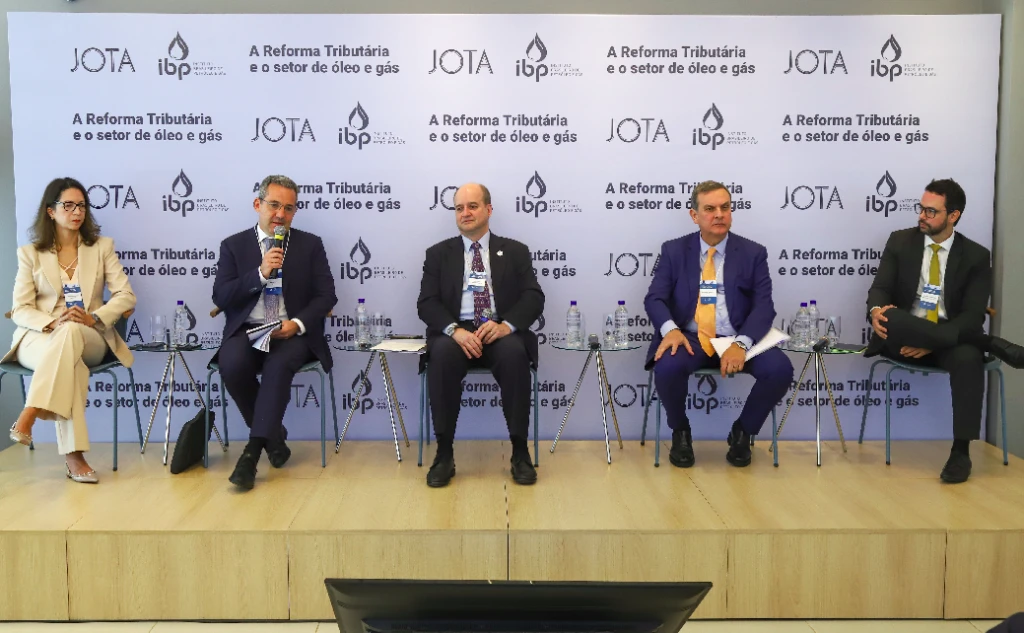
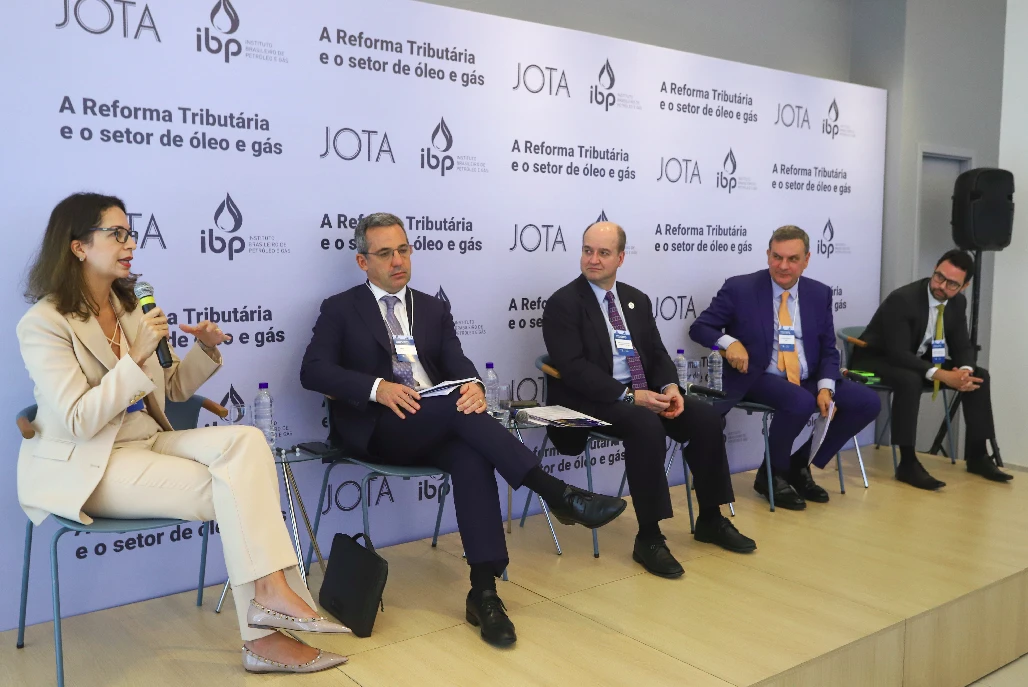
The website JOTA promoted a debate this Wednesday (18/10) to discuss the impacts of tax reform on the gas oil sector. The event, sponsored by the Brazilian Petroleum Institute (IBP), was held at Casa JOTA, in Brasília, and brought together leading experts on the subject. Prof. participated in the debate. Eduardo Maneira, founding partner of Maneira Advogados; Roberto Ardenghy, president of IBP; Gustavo Guimarães, executive secretary of the Ministry of Planning; Daniel Elias, president of GALP in Brazil; and Monique Teixeira de Almeida, tax consultancy partner at Deloitte Brasil.
Leaders from the oil and gas market presented their concerns for the sector's growth. In his participation, Maneira praised the model proposed in the reform, highlighting that the text discussed in Congress brings Brazil closer to what is practiced in other countries.

Oil Industry debates special tax regime and new charges under analysis in the Senate
Companies raise concerns about the oil and gas sector, such as taxation of investments and export tax credits
ESTÚDIO JOTA
10/19/2023
On the eve of the delivery of the report on the Tax Reform in the Senate, the oil and gas sector discussed this Wednesday (18) how to preserve fiscal guarantees of the current tax system and, at the same time, improve the text approved by the Chamber of Deputies in the Proposed Amendment to the Constitution (PEC) 45/2019, which transforms the current taxation rules. According to the proposal, the long-awaited reform should boost Brazilian production and economic growth by simplifying and making tax payments more transparent.
An event, sponsored by the Brazilian Petroleum Institute (IBP), was held this Wednesday (18) at Casa JOTA, in Brasília, to debate the Tax Reform being voted on in Congress. Oil and gas market leaders presented their concerns for the sector's growth.
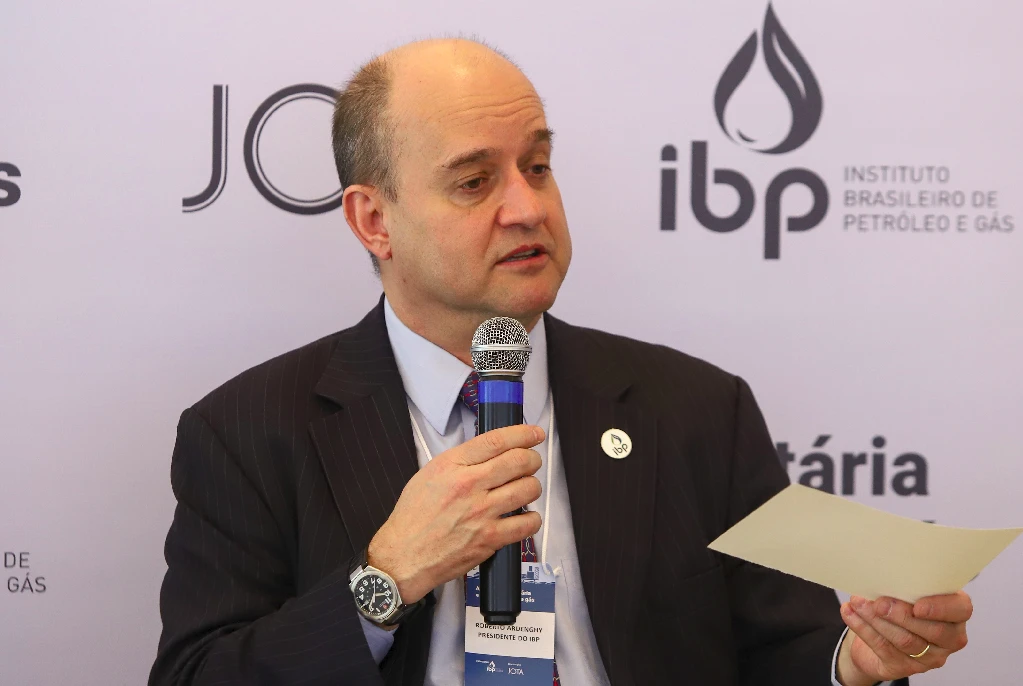
Roberto Ardenghy, president of the Brazilian Petroleum Institute (IBP), highlighted at the event the investments of oil and gas companies in innovation, precisely one of the criteria adopted by the government to cushion the impact of taxes.
“Today, the United States is the largest producer (of oil), but with reserves that are already highly explored. Brazil is capable of being the country that will occupy this space and with oil with low carbon dioxide emissions. The pre-salt, for example, emits a third less greenhouse gases than the world average and with oil with a low sulfur content”, commented Ardenghy, president of IBP.
The executive cites a study by the Organization of Petroleum Exporting Countries (OPEC) in which a scenario of growth in demand for oil until 2045 was estimated, a scenario fueled by uncertainties amid the advancement, for example, of electric cars.
“The reform needs to maintain a favorable regulatory environment for the sector, which is already positive in geological and technological terms,” Ardenghy added.
The OPEC study estimates that demand for oil will grow 23% by 2045 and will therefore require US$14 trillion in global investments. The research highlights Brazil's potential to meet this greater demand.
During the debate, important points related to exemptions and tax incentives for the oil and gas sector were analyzed. Doubts were discussed regarding respect for currently existing tax benefits and the exceptions provided for in the new taxes created by the reform, such as the Contribution on Goods and Services (CBS), the Tax on Goods and Services (IBS) and the Selective Tax (IS), which will replace indirect taxes such as ICMS, IPI and PIS/Cofins.
“Disputes between national entities, between sectors and concerns about exceptions are normal. There is room to maintain what is working and I see that the flexibility in the current text already meets this. Ensuring the security of those who have already invested is also important for the government”, commented Gustavo Guimarães, executive secretary of the Ministry of Planning.
The president of GALP in Brazil, Daniel Elias, highlighted the importance of dialogue with the government and Congress around Tax Reform, which could be considered “a competitive advantage”. Although the executive supports the reform and considers the objective of attracting investments with simplified taxes to be important, he highlights that there are points to pay attention to in the PEC.
“We currently operate under the Repetro regime, which runs until 2040, and we understand that there is room for improvements and clarifications in the current version of the reform”, comments Elias.
Professor Eduardo Maneira, from the Federal University of Rio de Janeiro (UFRJ), praised the proposed Tax Reform model. For him, the text discussed in Congress brings Brazil closer to what is practiced in other countries. This is because the new system adopts premises such as non-cumulative and encouraging sectors with development banks. But the professor expresses concern about the Selective Tax (IS), considering the terms written in the project.
“The IS could be a point of concern for the oil and gas sector. As it was written citing ‘activities harmful to people or the environment’, it was very open. It would be better to include it ‘under the terms of the complementary law’ that would define which sectors and under what conditions”, explained the expert.
IS is a tax proposed with the aim of reducing the consumption of products that are harmful to health, such as cigarettes and beverages.
Another point of attention, highlighted by the professor, is the importance of the exemption on capital goods also including services associated with them.
“In one section, it talks about special customs regimes, but mentioning only suspension, a technically risky word because suspension is not a tax exemption, it can even be converted, but it is not”, he adds.
Concern about measures that discourage investment also marked the meeting promoted by Casa JOTA with the support of IBP. Monique Teixeira de Almeida, tax consultancy partner at Deloitte Brasil, stated that companies pay special attention to the new taxes created by the Tax Reform.
“We debated with many companies, mainly in the oil and gas sector, the topic of reform. When companies come to invest here, they observe a large number of conditions”, he stated.
The partner at Deloitte Brasil highlights that there are doubts about the collection of IBS and CBS, especially about tax credits generated by exports.
“Much of the oil and gas sector is exporting, it has tax benefits when selling abroad, but it is not yet known how, with the new taxes, the resources will be returned to companies. Nobody knows how the tax credits will be used”, explained Monique.
The executive also added that it is necessary to clarify how exemptions from Repetro will work, a customs regime that allows the import of specific equipment for research activities and the mining of oil and natural gas deposits without the incidence of federal taxes.
The representative of the Ministry of Planning recalled that the PEC is a big step, “the first”, and that many of the questions and doubts will be clarified throughout the process or will be reserved for regulation by complementary laws.
“There is a lot of demand from different sectors and the government is looking for the best solution,” said Guimarães.
When speaking about Repetro, the government representative stated that “concerns are part of the State's agenda, more than that of the government, which is aware of the importance of Repetro.”
In the opinion of Maneira, from UFRJ, it is important to ensure that capital assets are immune to taxation, to provide more legal certainty.
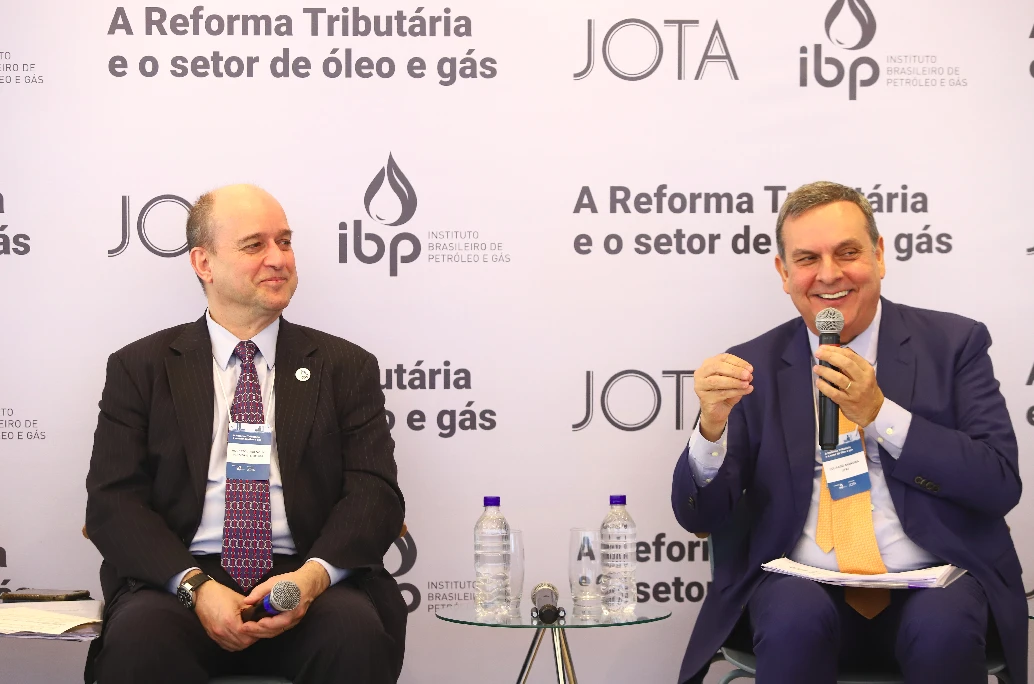
“The clearer the better, because we have a litigation problem. There is a culture of litigation in Brazil. I think it is vague to use (the expression in the project) ‘reducing the impacts of taxation on capital goods’. It would be better to say that ‘it will not be taxed’ and leaving it to the complementary law to regulate what they are and under what conditions”, explained Maneira.
The executive secretary of the Ministry of Planning stated that the consequences of the Tax Reform should only appear in the medium and long term, even during the transition period that will run from 2026 to 2033.
“All beneficial changes and the maintenance of certain guarantees of the rules of the game are being looked at. The oil and gas sector is one of the determinants for the change in Brazilian potential GDP in recent years”, stated Guimarães.
ESTÚDIO JOTA – Brasília
See other related news stories




Press
Averages should not ignore the Contumacious Debtor Law, experts say
May 11, 2026Media should not ignore the Contumacious Debtor Law, experts say Risks are greater for companies that fail to comply with balance sheet obligations and are unaware of the situation of related parties By Suzana Liskauskas, Para o Valor — Rio de Janeiro Instituted...