Dados necessários para melhorar nosso serviço e personalizar a sua experiência.
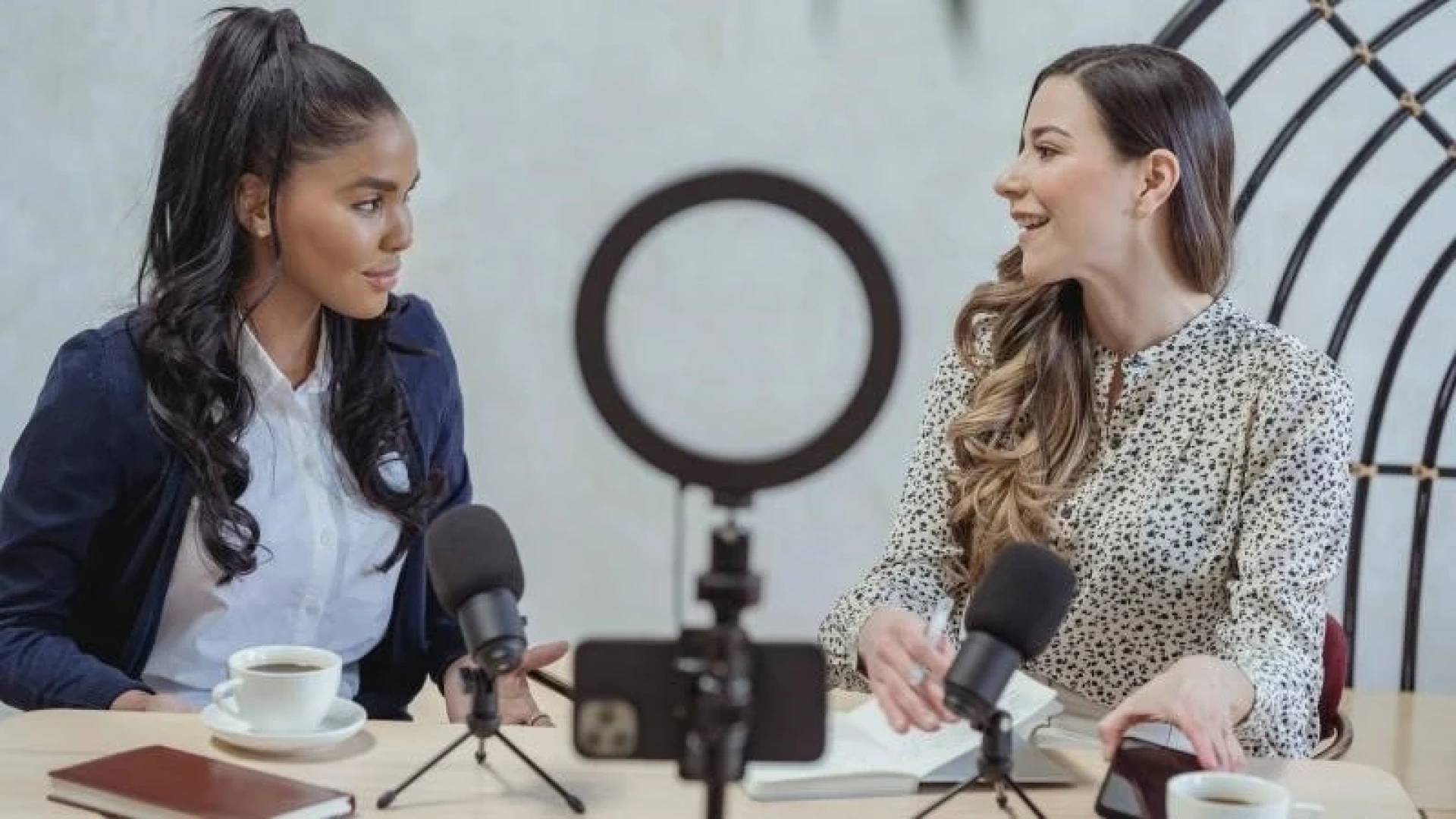
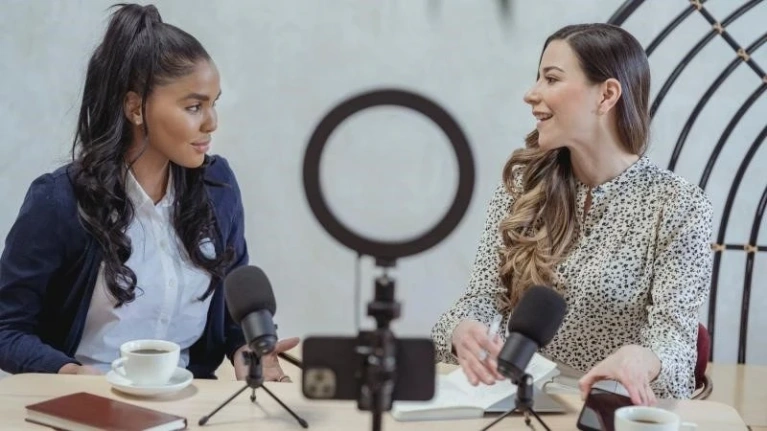
Matheus Puppe comments on the project to regulate the profession of digital influencer
Report from Canaltech analyzes a bill being processed in the Senate that aims to create parameters for the profession of digital influencer. Dr. Matheus Puppe, partner in the Technology, Media & Telecommunications area at Maneira Advogados, was interviewed to comment on the matter.

Digital influencer: between glamor and difficulties, profession can become law
By Márcio Padrão | Edited by Claudio Yuge | June 3, 2022
George Milton/Pexels
A mix of video producer, journalist and advertising figure, the digital influencer defies old labels and is a job that has been around for years, but still needs regularization around the world. Brazil is already starting to discuss the matter. Since May, the Senate has been analyzing Bill 1138/2022, which aims to create parameters for the profession. This one, by the way, has a lot less glamor behind the cameras than we imagine.
In February, the Ministry of Labor and Social Security took the first step by including the profession of digital influencer in the Brazilian Classification of Occupations (CBO). The folder placed under number 2534-10 the registration of this and other activities with similar names and functions, such as digital content creator, digital content generator, influencer and digital content producer.
As it is a relatively new profession, in Brazil there is still no law regulating influencers. But Wilson Andrade, a lawyer specializing in tax law, explains in an article for Canaltech that, according to the Federal Constitution, any new profession can be exercised even without specific legislation.
It's a very new debate and, to date, few countries have faced it head-on. Australia was one of the first to create a law for influencers, but from a more specific perspective. The TGA, the health and wellbeing regulator, has ruled that a post on social media that promotes the use or supply of therapeutic goods is an advertisement. And is therefore subject to the guidelines of the drug advertising law.
If an Australian influencer is paid to speak highly of a medicine claiming that he just enjoyed using it, for example, he could face maximum penalties of five years in prison or fines of up to 11 million Australian dollars (R$38 million).
In addition to harmful or poorly disguised advertising, a set of laws for influencers covers topics such as often precarious working conditions, taxes to be paid, social responsibility, fair remuneration and other aspects. That is why the current bill must still undergo many modifications to cover all of this.
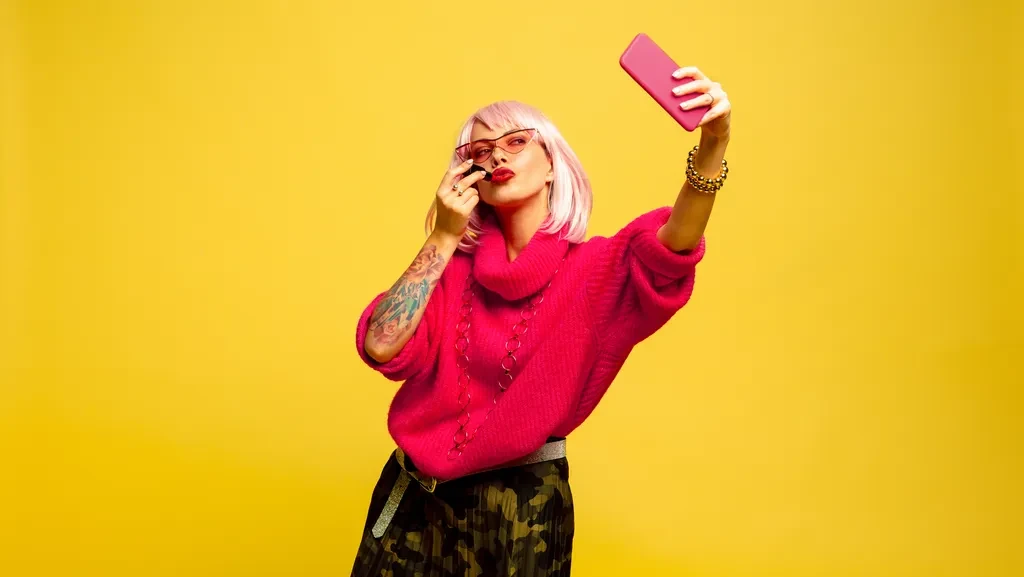
Bill defines digital influencer as a worker who creates, edits and publishes authorial content over the internet (Image: Master1305/Freepik)
What does the bill say for influencers?
The first bill on the subject appeared in 2018 in the Chamber of Deputies, by deputy Eduardo da Fonte (PP-PE), but was withdrawn from processing in the same year, at the parliamentarian's request, to “correct a material error”. The new proposal, authored by senator Eduardo Gomes (PL-TO), was actually inspired by the 2018 text.
The current PL 1138/2022 defines the profession as:
- Worker who creates, edits and publishes authorial content on the internet;
- To do this, he uses videos, photos, images or texts;
- He is able to influence the opinions, behaviors, manifestations and consumption habits of his audience;
- He expresses himself with an informative or opinionated objective on topics he considers relevant;
- And of course, he makes money from this activity.
Seems pretty broad, right? You can imagine bloggers, streamers, twitterers, youtubers, instagrammers and tiktokers under this same umbrella. However, to prevent confusion with other types of communicators, the caveat is not to include professionals who produce authorial content for journalism companies in the category of digital influencer.
In addition, it lists three limits for the profession:
- Prohibits the persecution or discrimination of people or groups for social, economic, political, religious, racial or ethnic, gender, etc. reasons;
- Must protect people's right to intimacy, privacy, honor and image;
- Must also respect copyright, intellectual and image rights.
It is an appropriate time to discuss the subject in Brazil. At least in the economic aspect, the profession is a reality. According to a survey by Ibope Intelligence in 2020, 52% of internet users in the country follow at least one digital influencer. The majority of followers are female; The age range of most followers is between 25 and 34 years old and is in class B (family income between 10 and 20 minimum wages).
Labor lawyers interviewed by Canaltech explain that the approval or not of the PL is not an impediment for influencers to continue acting; perhaps they only bring specific rights and duties to the category. “With regard to professions with their own laws, if there are provisions that contradict general legislation, the specific rules prevail, with all other general rules applying to them”, says lawyer Maria Helena Autuori.
Some are even contacted under the CLT regime by companies because they work in certain areas of traditional media, such as radio and TV. “This versatility in the types of work relationships assumed by the digital influencer makes it difficult to regulate this profession objectively, because each type of work assumed has to be analyzed per se[in isolation]”, says specialist in labor law Andréa Corrêa de Sá.

Diogo Goloh, digital influencer with 8.1 thousand subscribers on YouTube, also does other work for a living (Image: Personal collection/Diogo Goloh)
How is it, is the digital influencer bill enough?
For Gisele Truzzi, a lawyer specializing in digital law, the definition of influencer provided for in bill 1138/2022 appears to be sufficient for the current moment, but needs improvement. “It could define issues related to those who work as influencers without earning income”, he says.
Truzzi also pays attention to some young influencers who manage to secure important contracts. “If there are incidents linked to its contents, parents/guardians may be held responsible for this in the civil sphere, and the minor, in the criminal sphere, linked to the socio-educational measures imposed by the Child and Adolescent Statute”, he argues.
Matheus Puppe, another digital law jurist, thinks that the PL was made in an outdated context, which implies that all influencers work alone. “Other professions have necessarily started to follow the market, such as social media, metrics and SEO analysts, copywriters and designers, who edit, publish and assist the entire process.”
In fact, major influencers such as Bianca, Felipe and Luccas Neto, Casemiro, Gaulês and others already have millions of fans, a large support team and notoriously earn well just from their content creation. A big name in the sector can earn up to R$18,000 per campaign, according to a report by Folha de S. Paulo.

Sandro “Akumoto” Rosa, digital influencer who has been working for three years and has 158 thousand subscribers on YouTube (Image: Personal collection/Sandro Pink)
The other side: influencer loneliness
However, the vast majority of influencers make money on their own, working as entrepreneurs or self-employed professionals. That's why they open CNPJs when they enter into contracts or commercial partnerships with advertising companies. In the National Classification of Economic Activities (CNAE), the activity may vary; some observed in the report were “video producer”, “content provider” and “advertising agency”. Income also comes from Google's own advertising platforms on YouTube, due to the high audience of its videos.
It's usually a solitary job. To cut costs and pay minimal taxes, many act as MEIs (individual micro-entrepreneurs) and do not hire other employees. That's why it's up to the influencer to do everything: prepare scripts, take care of the lighting and scenery, act in front of the cameras, edit the content and manage the pace of work and their own earnings.
Glamor aside, the work takes up a lot of time and effort behind the scenes. While this report was being produced, influencer and former BBB Bianca Andrade, known as Boca Rosa, showed on her Instagram the daily itinerary she follows to expose her life on the social network to obtain more engagement.
From spending to health, the influencer's path is tortuous
The number of influencers in Brazil depends on the source: according to the research multinational Nielsen, there are 500 thousand; for the SamyRoad agency, 920 thousand. Even in the smallest number, there are already more influencers than dentists or engineers in the country. But the bulk of these people are still not Felipe Neto; they compete with each other and need to produce daily to expand their audience and engagement. The goals are to be invited to brand campaigns or break the bubbles of social media algorithms.
Along the way, they may even get sick. In 2019, the CriadoresID platform interviewed 300youtubers to find out about their working conditions. Around 16.9% of them suffered from anxiety and 4.3% faced depression. Furthermore, 28% said they did not perform physical activities and 53.8% were completely dependent on YouTube for income.
Not to mention the costs: a creator needs to pay for internet, subscription to editing programs, quality cameras, audio and lighting accessories and a good computer — which today costs no less than R$5,000. If you outsource part of the work, such as editing, for example, you will have to pay the professional as well. If the “receipts” and “publics” do not cover all of this and close the daily bills, from the market to electricity, it becomes impossible to work.

Igor, digital influencer and streamer who also works as a singer, has 89 thousand followers on YouTube (Image: Personal collection/Igor)
It is also possible to obtain alternative sources of money. Diogo Goloh, a gaming influencer for three years and currently with 8.1 thousand subscribers on YouTube, also works as a channel manager and scriptwriter for other content creators. According to him, his videos and lives generate around 40% of his annual income. “I never liked depending on just one thing”, he says.
Sandro Rosa, known as Akumoto, earns income through a contract with the lives Twitch platform, through his YouTube channel and advertising and publicity work due to his visibility as an influencer. “Today I can live exclusively on what I earn and I was lucky enough not to go through periods where I lacked money, but I know that I am an outlier in relation to beginner influencers”, he says, who has also been working for three years and already has 158 thousand subscribers on YouTube and 533.7 thousand on Twitch.
“It's not just about becoming famous overnight and starting to make money. At the end of the day, it's a job, where you need to run a company and have employees so that everything works correctly and within the laws. What I would really like is for there to be financial education in schools and more access to the information we need to take care of our business, whatever it may be”, says the streamer and singer Igor, with 89 thousand followers on YouTube.
Source: Correio Braziliense, Folha de S. Paulo, Federal Senate
See other related news stories




Press
Averages should not ignore the Contumacious Debtor Law, experts say
May 11, 2026Media should not ignore the Contumacious Debtor Law, experts say Risks are greater for companies that fail to comply with balance sheet obligations and are unaware of the situation of related parties By Suzana Liskauskas, Para o Valor — Rio de Janeiro Instituted...