Dados necessários para melhorar nosso serviço e personalizar a sua experiência.
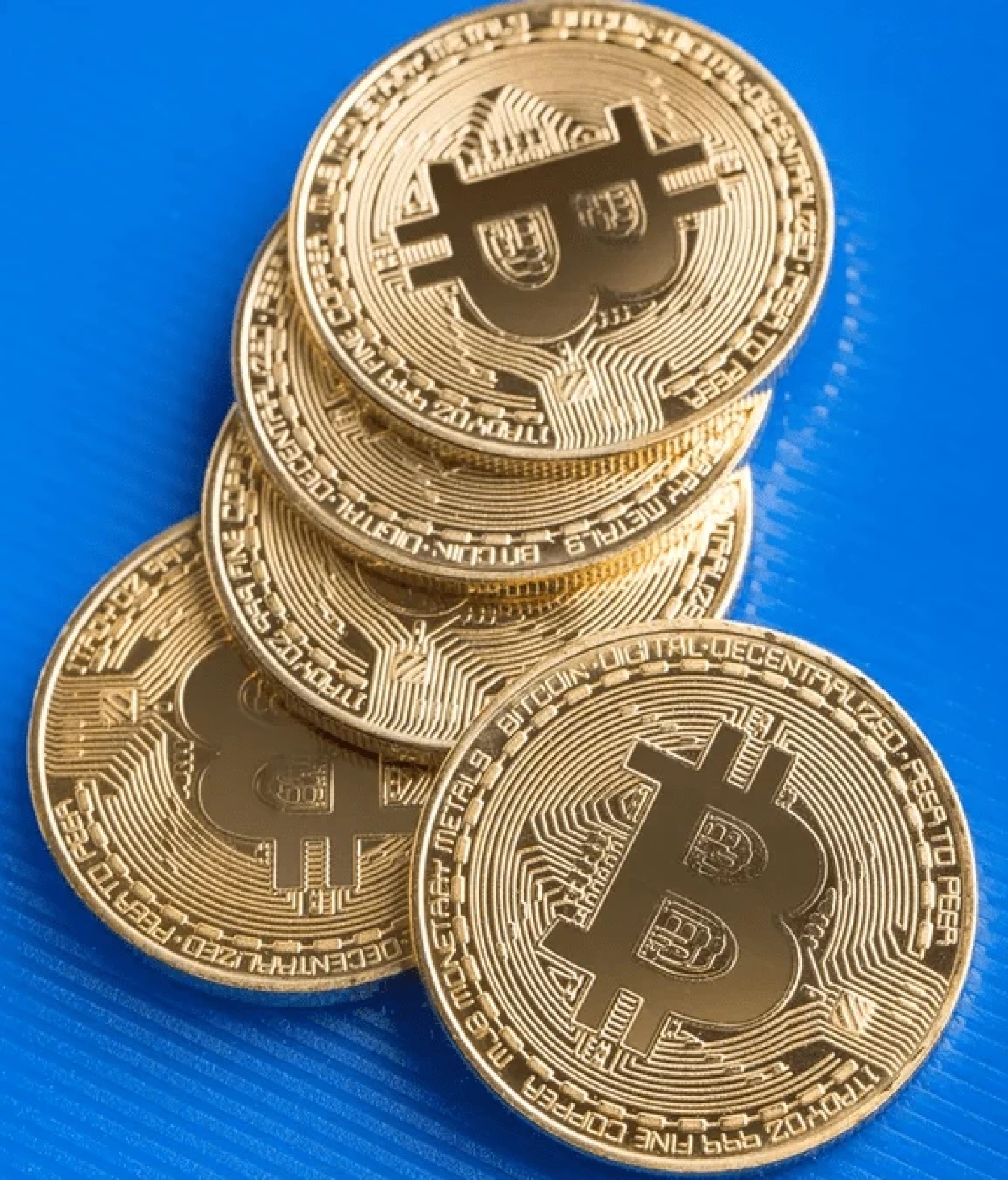
Cryptocurrencies: Regulatory framework comes into force today. Check out what changes
The newspaper O Globo published this Tuesday (20/6) a report dealing with the entry into force of the regulatory framework for cryptocurrencies. Dr. Matheus Puppe, partner in the TMT, Privacy & Data Protection area at Maneira Advogados, was interviewed to comment on the matter.

Cryptocurrencies: Regulatory framework comes into force today. Check out what changes
In addition to greater security for investors, new regulations have the potential to stimulate the cryptoactive market in Brazil
By Letycia Cardoso — Rio de Janeiro
The legal framework for cryptoactives comes into force this Tuesday. The text, sanctioned by former president Jair Bolsonaro at the end of last year, aims to define rules for the operation of cryptoactive brokers, known as exchanges, in addition to instituting punishments against possible fraud. Regulation is viewed favorably by both companies and investors, as it provides greater security to this market.
The body chosen to regulate, monitor and supervise the provision of virtual asset services was the Central Bank (BC). A public consultation must be carried out by the institution to understand the market's main desires. Only after that, the BC will establish conditions and deadlines — of at least six months, according to experts — for adaptation.
According to a decree signed by President Luiz Inácio Lula da Silva last week, the BC will still be responsible for authorizing the operation of exchanges and defining the financial assets regulated by law 14,478/2022.
João Canhada, founder of Foxbit, believes that the regulator's definition could encourage large institutions to actively participate in this market:
— Once fully regulated, we expect a significant increase in institutional volume from Brazilian players. At this moment, the Brazilian government is at the forefront of hundreds of countries and ongoing regulatory processes, being a mirror for all the others.
In the view of specialist in new technologies Matheus Puppe, from Maneira Advogados, it is possible that the rules will lead to the cryptoactive market suffering less from price fluctuations and speculation.
— As technology advances, laws and regulations must evolve in tandem to protect consumers and businesses while taking advantage of the opportunities that decentralized finance innovation has to offer — says Puppe.
From now on, article 171 of the Brazilian Penal Code, which deals with embezzlement, now clearly includes the crime of fraud with digital currencies, punishable by a fine and up to eight years in prison. The measure makes it easier to punish people who use financial pyramids to deceive third parties and gain an advantage.
The president of the Brazilian Cryptoeconomics Association (ABCripto), Bernardo Srur, says that there was great expectation in the sector for the approval of the regulatory framework. For him, in addition to providing more security and transparency to digital asset negotiations, the new law promotes equality between Brazilian exchanges and foreign ones operating in the country:
— Companies that operate for Brazilians will need to comply with the legislation. In general, the law sets the same rules of the game for everyone, in a market that is highly dispersed — he says.
As fees are already charged, Cássio Krupinsk, CEO of BlockBR, assesses that the regulation will not imply additional costs for companies or customers.
POTENTIAL TO BOOST THE MARKET
Business Law specialist, Yan Viegas Silva, from Silveiro Advogados, believes that regulation tends to encourage investment in the country, due to greater predictability regarding the limits and responsibilities of each player. It also expects fewer power struggles between entities, due to the prior delimitation between the powers of the Central Bank and the Securities and Exchange Commission (CVM, the capital market regulatory body).
— Due to regulatory problems in other countries, it is possible that the legal security established with the new law will foster an attractive environment for new companies. Furthermore, supervision by the Central Bank can give more credibility to regularized exchanges and, as a consequence, encourage investor migration to this type of asset — he suggests.
Gustavo Blasco, CEO of Grupo GCB, a financial and capital market holding company, agrees that more people can try investing in cryptocurrencies:
— This measure could attract new people interested in this asset class, especially those who were concerned about the lack of transparency and little supervision that existed in the market. Now, crypto assets are regulated and supervised by the most experienced agents in the market.
Unlike virtual currencies, such as Bitcoin, assets representing securities remain under the CVM umbrella, for example when they form a collective investment contract. The definition pleased the market, as the lack of clarity has been a problem abroad.
In the United States, the Securities and Exchange Commission (SEC, the sheriff of the American market) sued Coinbase for acting as an exchangeand broker without proper registration for such functions. This happened because some cryptoassets were categorized as securities, and the exchange was not allowed to trade derivatives, nor other investments in the traditional financial market.
For Nord Research crypto analyst Luiz Pedro Andrade, the biggest concern is that the SEC will increase the list of cryptos considered securities and also consider the fastest-moving currencies, such as Bitcoin and Ethereum:
— Worrying movement regarding the evolution of the market in the country, as the United States is one of the most relevant countries for the volume of the crypto market.
There, the accusations begin to be seen as increasing pressure from American regulators againstexchanges,causing them to think about leaving the country. Cryptocurrency broker Crypto.com, for example, said last week that it would suspend part of its operations in the US. Venture capital firm Andreessen Horowitz announced that it intended to open its first office outside the United States, seeing London as a more welcoming environment for crypto entrepreneurs.
LACK OF DEFINITION ON PROPERTY SEGREGATION
The new sector rule left out, however, something experts point out as fundamental to investor safety: a precise definition of asset segregation and how to execute it.
In theory, the money invested by each client should be reserved and available for when they want to withdraw or make any negotiation, but not all exchanges respect this and end up using the amounts for transactions for their own benefit. This, in fact, was one of the problems that affected other cryptocurrency brokers in the past that collapsed. Before filing for bankruptcy, FTX, for example, admitted that it did not maintain reserves to cover the investments of all investors.
Binance.US, which is part of the largest global cryptocurrency exchange, Binance, was accused this month by the SEC of transferring billions of dollars from customers to a bank account of a company controlled by the group's founder, Changpeng Zhao. These funds would have been sent to third parties in order to buy and sell cryptocurrencies. The announcement sparked a rush for withdrawals. In a span of 24 hours, around US$790 were withdrawn million.
Although Binance reported that the issue did not affect Brazilian users, many were afraid and preferred to abandon the exchange. Businessman Guilherme Monteiro, 32, used to buy crypto assets on Binance. However, given the rumors, it has chosen to make purchases from other smaller companies. After converting the dollars into Bitcoin, you immediately transfer the funds to your offline wallet, so you don't take any risks.
— If you buy the coin and can't withdraw it, it's just a promise. I buy and take it out on the same day. I am the custodian. It's as if I had a gold coin in my pocket — he comments.
The system, also known as a cold wallet, is recommended by digital security experts. Using a type of pen drive, the investor can take their digital currency out of the broker's hands, avoiding having withdrawals prevented in the event of the company's insolvency.
Photographer and partner at the production company aBodega, Nelson Saldanha, 34, who invested R$10,000 in crypto assets in 2021, also rushed to withdraw the amounts when he learned of the SEC's accusation against Binance.US. Due to the devaluation of assets, he retreated when he saw that he would make a loss.
— Now, I'm providing a hardware wallet to transfer my cryptos and not leave them in Binance's custody — account.
According to Vanessa Butalla, executive director of legal, regulatory and compliance at Mercado Bitcoin, the exchange noticed an increase in the volume of crypto inflows into customer accounts. To take advantage of the opportunity, the broker released tutorials to explain how to transfer cryptos from other companies.
— We encourage customers to bring their funds here, ensuring that all their money is separated from the company’s assets – explains the executive director of Mercado Bitcoin.
See other related news stories





Press
Averages should not ignore the Contumacious Debtor Law, experts say
May 11, 2026Media should not ignore the Contumacious Debtor Law, experts say Risks are greater for companies that fail to comply with balance sheet obligations and are unaware of the situation of related parties By Suzana Liskauskas, Para o Valor — Rio de Janeiro Instituted...