Dados necessários para melhorar nosso serviço e personalizar a sua experiência.
Changes in Tax Reform will impact Brazilians’ pockets

Changes in Tax Reform will impact Brazilians’ pockets
Regulation proposal approved by the Chamber of Deputies provides for a reduction in the price of basic food items
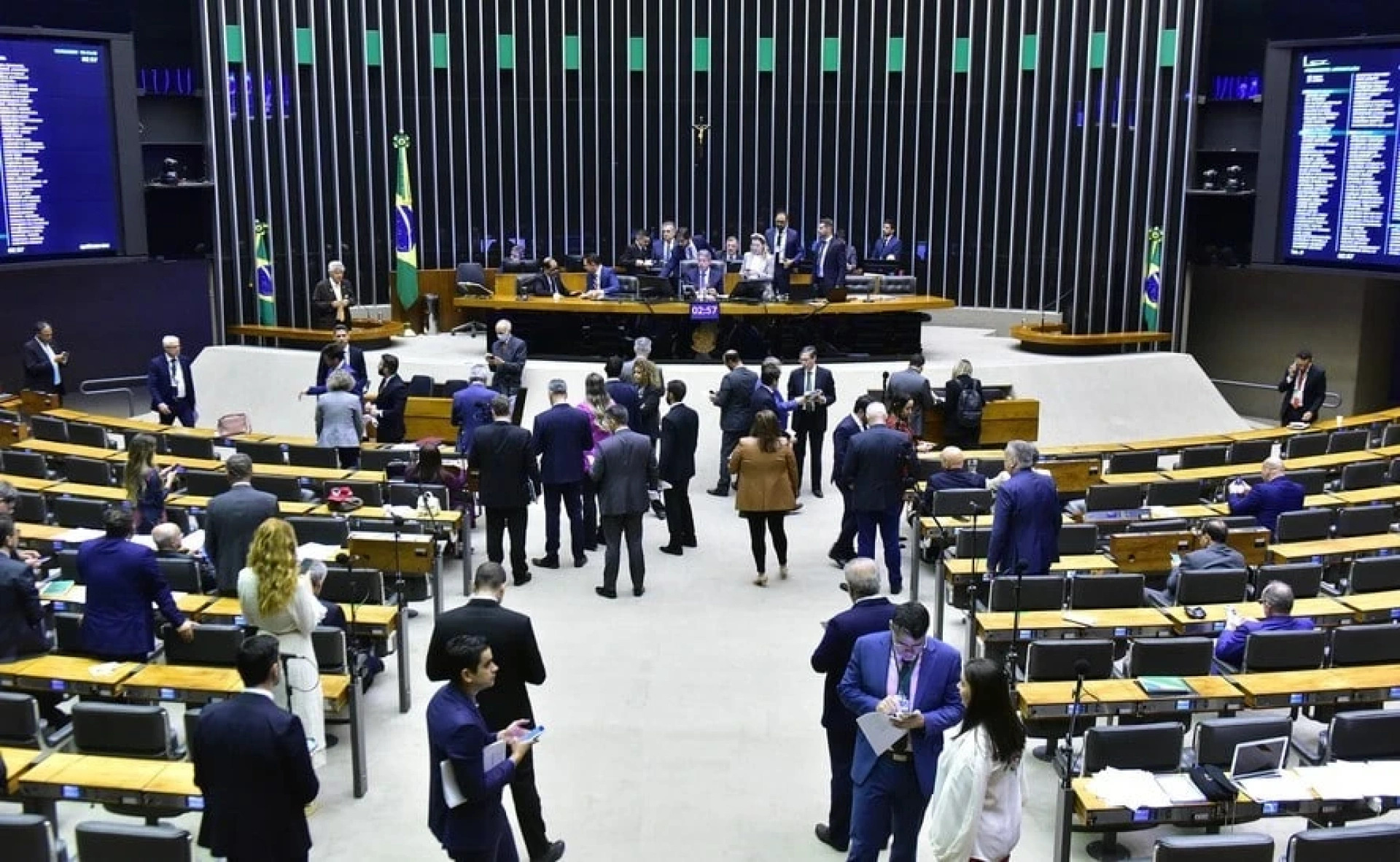
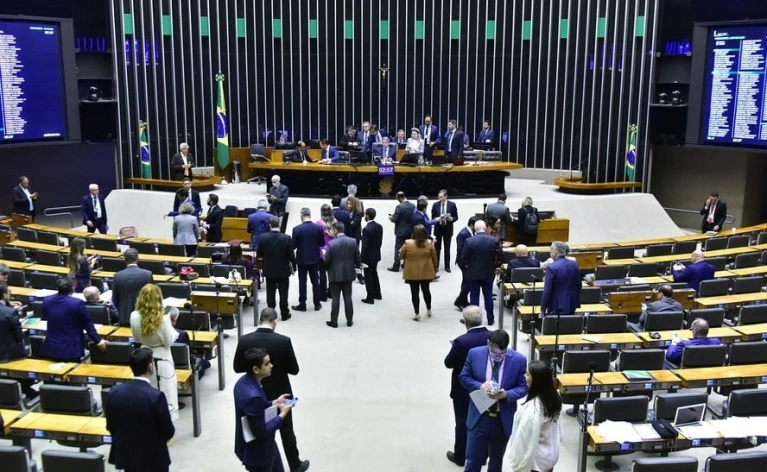
In order to simplify taxes and exempt items from collection, the tax reform regulation proposal, approved in the Chamber of Deputies this week past, will impact the prices of food, medicine and services. In the coming years, Brazilians should feel the changes in their pockets, especially due to the different regimes planned.
One of the most important changes is that taxes are no longer cumulative. In other words, the tax will be charged at a single moment between the start of production and the sale of the item to the final consumer. With the reform, the five taxes that are currently charged separately will be unified into just two, which will form the new Value Added Tax (VAT), whose standard rate should be 26.5%.
The Tax on Circulation of Goods and Provision of Services (ICMS) and the Tax on Services (ISS) will come together to form the Tax on Goods and Services (IBS), which will be controlled by the states. The Tax on Industrialized Products (IPI), the Social Integration Program (PIS) and the Contribution for the Financing of Social Security (Cofins) will form the Contribution on Goods and Services (CBS), controlled by the federal government.
“However, it cannot be denied that the provision of services, especially when they are aimed at non-taxpaying end consumers, may suffer a considerable increase in applicable taxes”, warns Maia.
Relief
Several products should become cheaperwith the implementation of the reform. The biggest impact will be on the price of food, the project eliminates taxes on basic food products, which tends to provide relief for families' daily lives. Today, on average, these products are taxed at around 8%.
A list of 24 products will be tax-free, including meat, fish, rice, beans, pasta, cheese, vegetables and fruits. For other more frequently consumed foods, there will be a 60% reduction in tax rates, including milk, natural juices and other fresh products, considered those not subjected to any industrialization process.
There will also be an exemption for collective public passenger transport and a zero rate for public purchases. Professions regulated by council will see a 30% reduction in tax burden, while essential services such as education and health will see a 60% reduction. “These measures aim to make the tax system fairer and more efficient, alleviating the tax burden on important services for the population”, says Thiago Marini, a lawyer specializing in tax law at Miguel Neto Advogado.
“A positive highlight is that the tax burden on basic foods will be reduced and there will be a cashback system for low-income families, returning part of the taxes paid on essential items, as specific sectors, such as education, health and medical devices, will have different taxation regimes, with significant reductions in rates”, he highlights.
Cashback — a mechanism that became popular through the return of part of the amount paid for a product or service in the form of credit to the customer — will benefit families that earn up to half the minimum wage per person, with the return of part of the new taxes on consumption. A subsequent regulation will define the method of calculating and refunding the tax, but some possibilities have already been discussed. In the case of returns on water, electricity and piped gas, the possibility of cashback being included on the invoice to be paid by the family is being studied. As for items purchased, the return is assessed at the checkout.
The proposal also includes 383 medicines that will have the tax zeroed, among the medicines there are 26 vaccines: dengue, covid-19 and yellow fever are among them. Other popular medicines should be impacted by the measure: losartan potassium (for high blood pressure), insulin (diabetes control) and diazepam (anxiety treatment). A 60% discount is also provided for all other medicines registered with the National Health Surveillance Agency (Anvisa).
Price increase
On the other hand, negatively, the reform proposes the creation of a new Selective Tax (IS), dubbed the “sin tax”. The extra taxation will make a series of products considered harmful to health and the environment more expensive, with the aim of inhibiting consumption. Thus, consumers can expect a considerable increase in the prices of items such as cigarettes, alcoholic beverages, sugary drinks (soft drinks) and polluting vehicles, which will be subject to the extra tax.
The final impact on Brazilians' pockets is still uncertain. This is because the rate will only be defined in later processes of the project, making it impossible to determine the effect of the Selective Tax on the final consumer. In the last stage, the extraordinary charge for gambling and betting was included.
In relation to the price of services, the expectation is that they may become more expensive. “I also understand that the service sectors, especially technology, may face a significant increase in the tax burden due to the redistribution of taxes along the production chain and that there are concerns about the complexity and potential increase in taxes for segments not covered by exemptions or special regimes”, assesses Thiago Marini, a lawyer specializing in tax law.
Threat
There is concern about the impact of the new rules on micro and small companies, which will lose competitiveness with the changes to come. This will happen because this category of companies will no longer generate tax credits, which will make them more vulnerable to large companies, which will continue to generate credits.
The project allows taxpayers under the Simples taxation regime, with annual revenue of up to R$4.8 million, or Individual Microentrepreneurs (MEIs), to choose to continue in the old model or collect the Contribution on Goods and Services (CBS) and the Tax on Goods and Services (IBS), taxes introduced by the new regime.
Today the tax system in this segment allows the generation of credits for those who resell products manufactured by micro-enterprises. This means that if a small company pays, supposedly, 10% in taxes, it generates 10% tax credits for the buyer of its products, which are used to reduce taxes owed to the federal government.
With the reform, small companies will stop generating credit, losing an important currency, while large companies will continue to generate and remain much more attractive for business. “In practice, the wording puts the small business owner between a rock and a hard place”, says the president of the National Confederation of Store Managers (CNDL), José César da Costa
According to Costa, the change could make most businesses unviable, given that today, in Brazil, more than 92% of enterprises are included in Simples Nacional, with 20 million micro and small companies, which account for 70% of the country's jobs. “This small business owner can remain in Simples, paying the reduced unified rate and transferring a lower credit than what will be transferred by competing companies outside the regime, losing competitiveness”, he explains.
“Or he adopts the hybrid tax regime, starting to collect IBS and CBS separately and bearing the cost of complying with more ancillary obligations of both tax regimes, which would make the operation unfeasible for the majority of small businesses”, he adds.
Retailers and service providers will feel the effects of the tax reform, as well as consumers, who may face price increases due to the need to transfer the tax burden. “Simples companies will have to carry out very careful analyzes to decide whether to migrate to the regular regime or remain in Simples”, highlights Charles Gularte, executive vice-president of customer services at Contabilizei.
"It is also necessary to evaluate this effect of change on who is hiring or purchasing your products. This decision directly impacts the price they will offer, so much more work will be required for small companies in this process", he adds.
Currently, around 75% of products on supermarket shelves, for example, have favored rules and will lose this status. Items from the basic food basket, which are a minority, are saved. In the case of services, a list of professionals, including health and education will benefit from a tax discount.
Transition
The tax reform rules will be applied in a phased manner over the next few years, and their full effects will be felt over time. The proposal provides for transitional rules until 2033, when the new model will come into full force. In other words, the changes will not be immediate.
The text went to the Senate for analysis, which may make changes to the rules defined so far. If there are changes, the proposal returns to the Chamber of Deputies. A second part of the regulation, which is still awaiting analysis, provides for the resumption of inheritance tax on private pension plans, such as the Plano Gerador de Benefício Livre (PGBL) and Vida Gerador de Benefícios Livres (VGBL).
This stage only deals with taxes on consumption. The expectation is that discussions on Income Tax reform will begin next year, with changes such as the taxation of dividends (the portion of companies' profits distributed to shareholders).
See other related news stories


Press
Averages should not ignore the Contumacious Debtor Law, experts say
May 11, 2026Media should not ignore the Contumacious Debtor Law, experts say Risks are greater for companies that fail to comply with balance sheet obligations and are unaware of the situation of related parties By Suzana Liskauskas, Para o Valor — Rio de Janeiro Instituted...